
Summary: The brass float valve is a fundamental component in fluid control systems across various industries. It offers reliable level control in tanks, cisterns, cooling systems, and irrigation setups. This article explains how brass float valves operate, addresses common pain points such as leakage, corrosion, inaccurate level control, and maintenance challenges, and provides practical guidance for selection, installation, troubleshooting, and optimization. Whether you are an engineer, technician, or buyer, understanding brass float valve principles will empower you to enhance performance, reduce downtime, and cut operational costs.
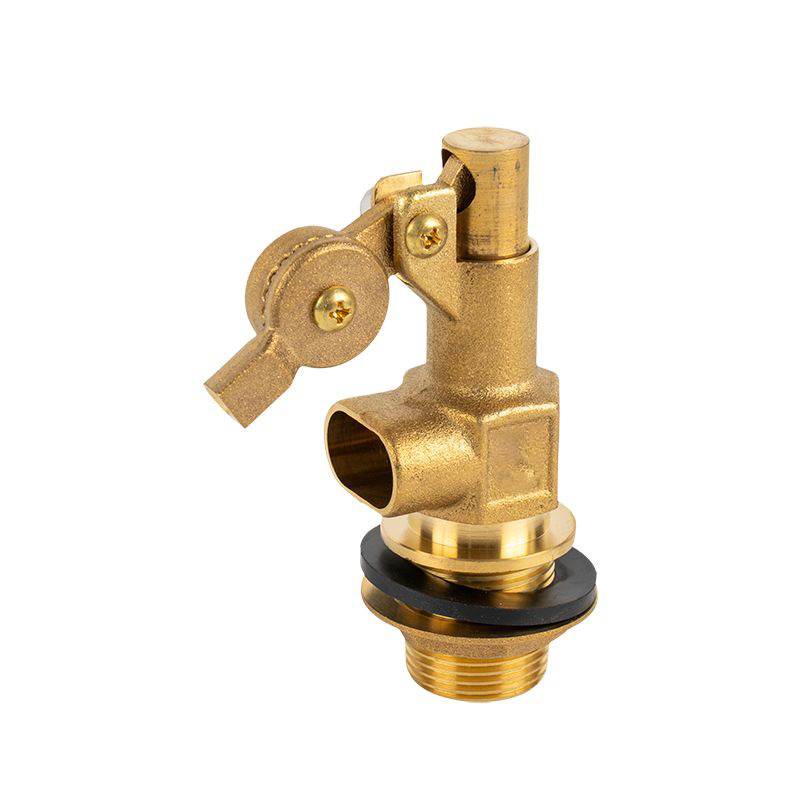
Fluid level control is vital in industrial, commercial, and residential applications. A brass float valve is a mechanical device that automatically regulates liquid level within a vessel by opening or closing an inlet based on the position of a float. Its robust brass construction ensures durability, corrosion resistance, and stable performance in water, oil, and other non-aggressive liquids.
Despite its simple design, many users encounter difficulties related to incorrect sizing, poor control stability, frequent maintenance, and premature failure. This guide focuses on addressing those issues and helping you understand why brass float valves are an optimal choice for many liquid systems.
Understanding how a brass float valve functions is key to solving performance problems. The core components include:
As the liquid level rises, the float ball rises, tilting the lever arm toward the closed position. When the liquid drops, the float ball falls, opening the valve to admit more liquid. This creates an automatic control loop without the need for electrical input.
| Component | Function |
|---|---|
| Float Ball | Detects liquid level changes |
| Valve Body | Provides structural integrity and flow passage |
| Lever Arm | Transmits float movement to valve |
| Sealing Mechanism | Controls liquid flow in/out |
Leakage at the valve seat is a frequent issue that can waste resources and increase costs. Brass float valves with precision-machined seats and high-quality seals minimize leakage by ensuring a tighter shutoff when the float reaches the desired level.
Stainless steel and plastic alternatives can struggle in certain environments. Brass offers excellent corrosion resistance in water and many chemical environments, extending service life and reducing replacement frequency.
Inconsistent level control can cause surges or dry running in pumps. The mechanical feedback design of a brass float valve provides repeatable and predictable level regulation, stabilizing system performance.
Poorly designed float valves can require frequent adjustments and part replacements. Quality brass float valves are engineered for low maintenance with durable components and easy access for routine servicing.
Selecting the right brass float valve requires careful consideration of system requirements. Below are key selection criteria:
| Selection Parameter | Consideration | Impact |
|---|---|---|
| Pressure Rating | Match system PSI | Safety and reliability |
| Temperature Range | Material compatibility | Longevity |
| Connection Type | Thread/Flange | Installation ease |
Brass float valves are ideal for water systems, cooling tanks, cisterns, livestock watering, and many non-corrosive liquids. For highly corrosive chemicals, consult material compatibility charts.
Compare the valve’s pressure rating, connection size, and float buoyancy with your system’s specifications. Oversized or undersized valves can lead to instability or slow response.
Yes. Many brass float valves offer replaceable seals, seats, and floats. Periodic inspection and part replacement extend service life and reduce total cost of ownership.
Maintenance frequency depends on system usage and liquid quality. For potable water systems, quarterly checks are typical; more frequent checks may be needed in high-sediment environments.
Brass float valves provide a robust, reliable solution for automatic liquid level control in a wide range of applications. By understanding their working principles, addressing common system challenges, and following selection and maintenance best practices, you can improve process efficiency, reduce leaks, and extend service life.
For high-quality brass float valve solutions tailored to your specific requirements, partner with Ninghai Hongxiang Copper Industry Co.,Ltd. Our team offers expert guidance, custom configurations, and responsive support to help you achieve optimal performance. Contact us today to discuss your needs, request a quote, or learn more about how our products can enhance your fluid control systems.