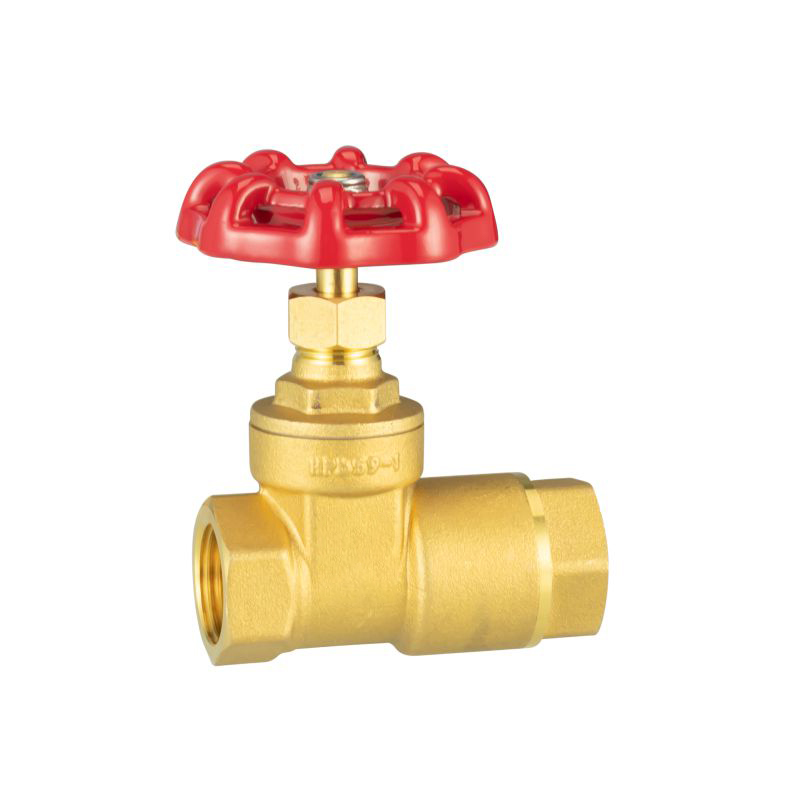

Summary: Brass check valves are critical components in various plumbing, industrial, and fluid systems. They prevent backflow, maintain system pressure, and improve overall safety and efficiency. In this article, we explore their operation, types, installation tips, common issues, and maintenance practices to help businesses and homeowners make informed decisions.
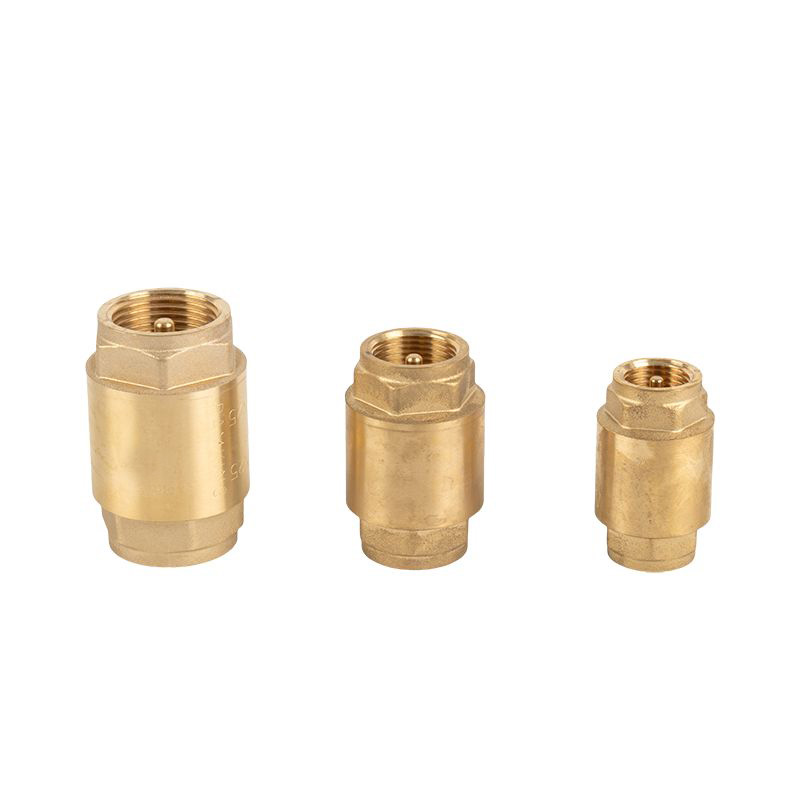
Table of Contents
What is a Brass Check Valve?
A brass check valve is a type of non-return valve made primarily from brass, known for its corrosion resistance and durability. It allows fluid to flow in one direction while preventing reverse flow. This functionality protects pumps, pipes, and other critical components in water systems, heating setups, and industrial applications.
- Material: Brass, providing high corrosion resistance.
- Function: Prevents backflow to protect system integrity.
- Common Uses: Water supply, HVAC systems, industrial fluid transport.
How Does a Brass Check Valve Work?
The operation of a brass check valve is simple yet highly effective. When fluid flows in the intended direction, the valve opens, allowing free passage. If the flow reverses, the valve closes automatically, preventing backflow. This is typically achieved using a spring, swing disc, or piston mechanism inside the valve body.
| Mechanism | How it Works | Advantages |
|---|---|---|
| Spring Check | Spring pushes the disc closed when flow reverses. | Quick response; compact design. |
| Swing Check | Disc swings on a hinge to block backflow. | Minimal pressure drop; suitable for large pipes. |
| Piston Check | Piston moves to open/close with flow changes. | Precise sealing; ideal for high-pressure systems. |
Types of Brass Check Valves
Brass check valves come in several configurations to fit different applications:
- Spring Check Valves: Compact and reliable for residential and light industrial use.
- Swing Check Valves: Suitable for systems with higher flow volumes and minimal pressure drop requirements.
- Piston Check Valves: Offers accurate sealing, often used in high-pressure or critical systems.
- Diaphragm Check Valves: Uses a flexible diaphragm for fluid control, reducing wear and noise.
Applications and Benefits
Brass check valves are used across multiple industries and residential setups due to their durability and reliability. Here are some common applications:
- Water supply systems to prevent backflow contamination.
- Pumping systems to maintain pressure and prevent damage.
- HVAC systems for efficient heating and cooling distribution.
- Industrial fluid handling where consistent flow direction is critical.
Benefits of using brass check valves include:
- Corrosion resistance for long-term use.
- Maintenance-free operation in most applications.
- Compact design suitable for tight spaces.
- Reliable protection for pumps and piping systems.
Installation Tips
Proper installation ensures optimal performance and longevity of brass check valves. Key tips include:
- Install in the correct flow direction as marked on the valve body.
- Ensure the valve is accessible for inspection and maintenance.
- Avoid installing in areas with excessive vibration to prevent wear.
- Check system pressure compatibility to prevent valve damage.
Maintenance and Troubleshooting
Brass check valves are generally low-maintenance, but occasional inspection is recommended. Common maintenance practices include:
- Inspecting for leaks or corrosion every 6–12 months.
- Cleaning debris that may block the valve’s movement.
- Replacing worn discs or springs when necessary.
Typical troubleshooting issues:
| Issue | Cause | Solution |
|---|---|---|
| Backflow occurs | Valve stuck or debris blockage | Clean valve or replace damaged parts |
| Noise in piping | Rapid closure or water hammer | Install a water hammer arrestor or adjust flow speed |
Frequently Asked Questions
- Can brass check valves handle high temperatures?
- Yes, brass is durable and suitable for most hot water systems, typically up to 180°F (82°C).
- Are brass check valves suitable for chemical fluids?
- Brass is compatible with many water-based fluids but may not be ideal for strong acids or bases.
- How do I know the correct valve size?
- Match the valve size with your system’s pipe diameter and flow requirements to avoid pressure issues.
Contact Information
For high-quality brass check valves, Ninghai Hongxiang Copper Industry Co.,Ltd. offers a wide range of reliable products. Learn more about our brass check valves and contact us today for inquiries, pricing, and expert support.
Ensure your system's